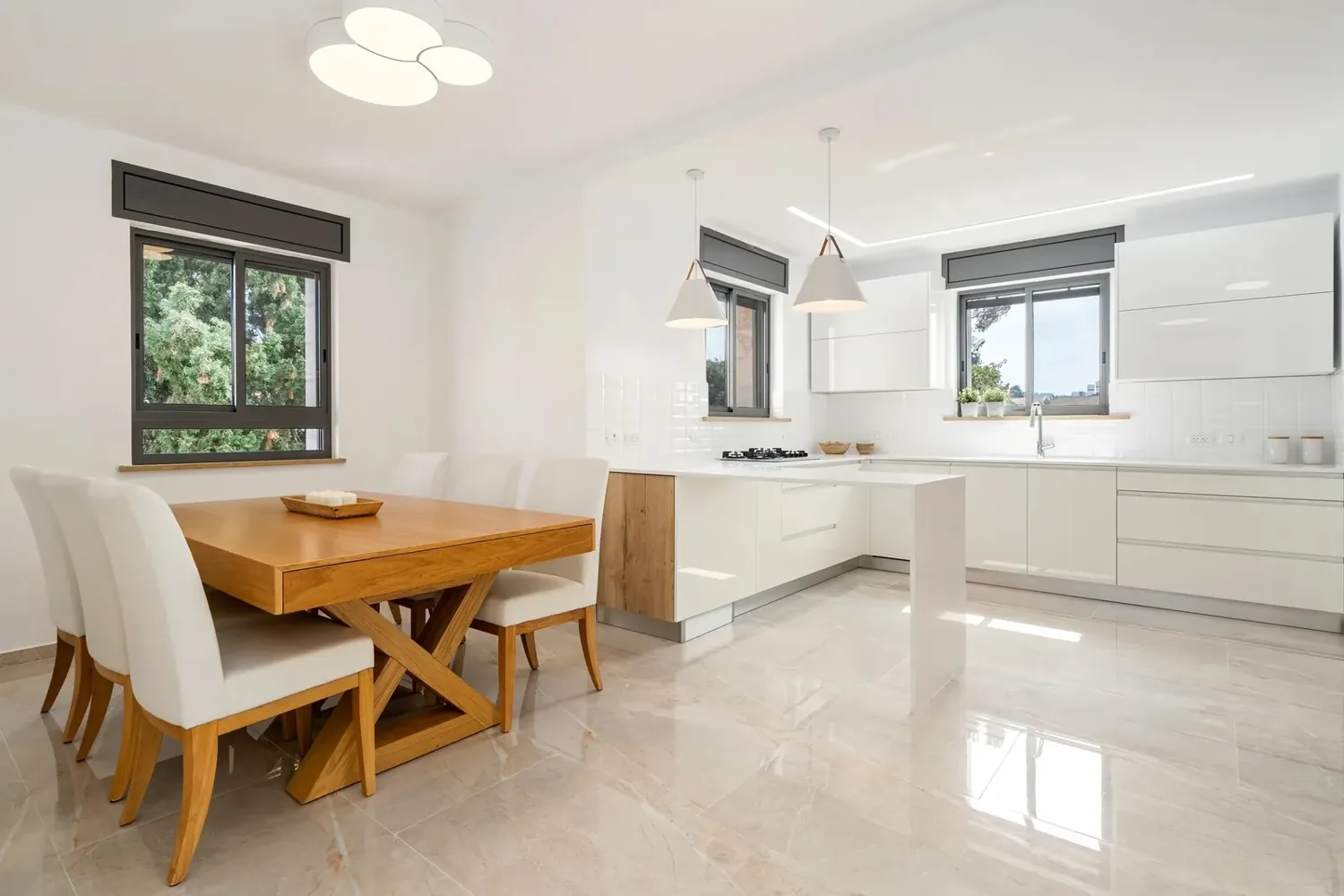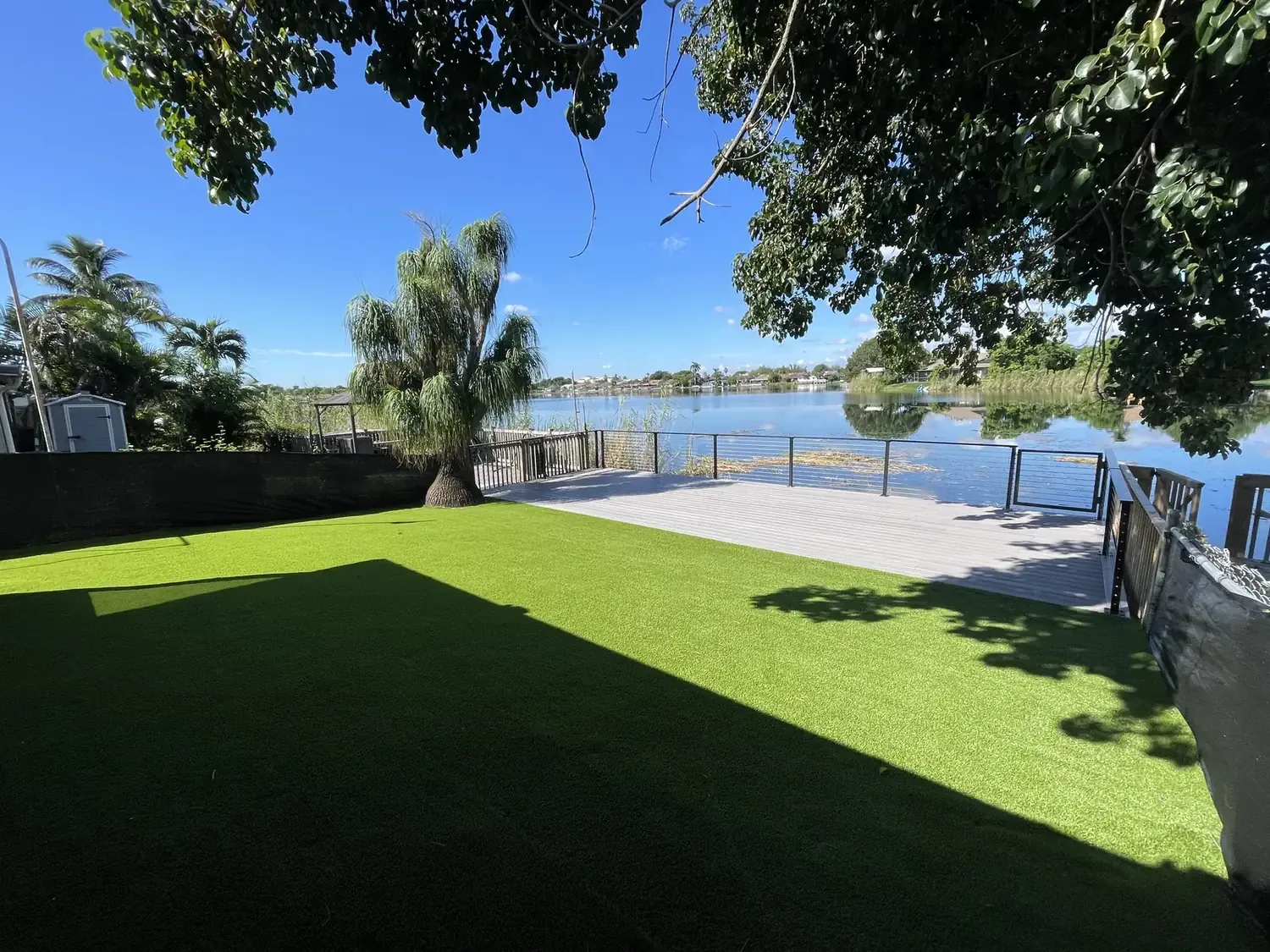
You can renovate in South Florida during hurricane season, and most contractors here work straight through it. The trick is sequencing: get the roof, windows and exterior doors closed in before or after the peak of the season, and keep open-envelope work to the shortest possible window. Interior work in a sealed house or condo can run year-round, as long as the contractor has a written plan for securing the site when a watch is issued.
Below: how we plan around the season, what local rules require of a job site before a storm, and the permit, insurance and condo issues, as of 2026.
When is hurricane season in South Florida?
The Atlantic hurricane season officially runs from June 1 to November 30. The National Hurricane Center puts the statistical peak around September 10, with most activity between mid-August and mid-October, and notes that storms sometimes form outside the official dates.
A quiet forecast does not change the planning. NOAA’s 2026 outlook called for a below-normal season, but a single close storm is what matters to an open roof.
What to schedule when: exterior work versus interiors
The question we ask on every project is simple: on any given day, how exposed is the house if a watch is issued tomorrow? NOAA issues a hurricane watch about 48 hours before tropical-storm-force winds are expected, and a warning about 36 hours before. That is enough to secure a closed-in site, not always enough to dry in a stripped roof.
| Work | Exposure if a storm is forecast | Best timing |
|---|---|---|
| Roof replacement | High while the deck is open | Before mid-August or after mid-October where possible; dry in daily |
| Window and exterior door replacement | High for any opening left without a unit or protection | Small batches; no unprotected openings overnight |
| Stucco, paint, pool, hardscape | Moderate: scaffolding, stockpiles, loose pavers | Flexible; keep stockpiles small |
| Kitchens, baths, flooring in a closed house | Low | Any time of year |
| Condo interiors | Low inside the unit; building access is the constraint | Any time, with storm shutdowns built into the schedule |
Roof, windows and exterior openings
If your scope includes a new roof or new impact openings, schedule them first and protect them most carefully. Close the envelope, then build the inside in a dry, secured shell.
Impact windows and doors are made to order and need product approvals, so order early and do not pull old units until the new ones are on site. Our guides to impact window and door costs and what the Florida Building Code requires when you renovate cover approvals and the upgrades a re-roof can trigger. A summer re-roof is not a mistake in itself; it needs a crew and schedule that keep the stripped area small and get underlayment down before anyone leaves.
Interiors
Kitchens, bathrooms and flooring inside a house with an intact roof and protected openings carry far less storm risk. The interruptions are a lost day or two securing the site, power outages afterward, and suppliers or inspectors busy elsewhere. Build that slack in; our article on how long a renovation takes shows where buffers belong. On a whole-house scope like the Hollywood Lake House, where roof, windows and interiors were all part of the work, the order of operations is the biggest storm-risk decision in the plan.
What local rules say about construction sites before a storm
Miami-Dade County
Miami-Dade treats a tropical storm warning, hurricane watch or hurricane warning as a severe weather advisory. Under Section 8-16 of the county code, job sites must then be secured before tropical-storm-force winds arrive, and Section 8B-18 requires loose objects, including debris and stored materials, to be brought indoors or braced and fastened to something fixed.
The county’s job-site hurricane notice spells it out: construction shacks, portable toilets, roof tile, insulation board, stored materials, trash, forms and temporary electric poles fastened down or removed, and glass areas protected with shutters. After a storm, damaged or out-of-plumb structures may not be repaired or realigned without the building official’s inspection and approval.
Broward County
Broward’s local administrative provisions to the Florida Building Code, as summarized in current city building-division notices, treat a National Weather Service hurricane watch as sufficient notice to secure a site. From June 1 to November 30, materials may be loaded onto a roof no earlier than 20 working days before permanent installation.
If a watch is issued while materials are stockpiled on a roof, they must be installed. If that cannot happen in time, they must be bundled and fastened to the structure, taken down and fastened at ground level, removed from the site, or stored in an enclosed structure. Some cities add dumpster rules: Lighthouse Point asks for dumpsters to be picked up when a storm is forecast, or else weighted, covered and lashed down, and refers violations to a special magistrate.
Palm Beach County
For Boca Raton and the rest of the county, the building code’s general rule applies: materials and equipment must be stored so they do not endanger the public, workers or neighboring property. A 2016 letter from the county building official told permit holders in unincorporated areas to start securing on a watch, stop normal work on a warning, and resume once winds drop below tropical-storm force.
How a responsible contractor secures an open site
The rules set the minimum. A responsible contractor writes the storm plan before demolition, not on the day the watch comes out. Ask yours to show it to you. It covers:
- Monitoring. Someone follows NHC advisories from the first tropical storm watch.
- Dumpsters. A pickup is booked as soon as a storm is forecast. If a swap is not possible, the container is covered and weighted.
- Materials and debris. Lumber, drywall, tile boxes, pavers and packaging moved inside, fastened down or removed.
- Scaffolding, fence screens, toilets. Screens rolled and tied, signs down, scaffolding and portable toilets removed or anchored.
- Power and water. Temporary power off; open plumbing lines capped.
- Documentation. Photos and video of the site before we leave, so any damage claim starts with a clear record.
Open roofs and open wall openings
These are where the plan matters most. A roof deck should be dried in with permanent underlayment, not just a tarp, before the crew leaves. Window openings without new units need to be boarded or protected. That is why we keep exterior work in small, closable phases during the season.
Condo buildings: elevators, loading docks and the board’s powers
In a high-rise, the risk to your unit is lower, but the building’s storm procedures can stop work for days. Miami-Dade’s elevator guidance tells building managers to shut elevators down and park them before a storm, and not to restart them until the pit and machine room are checked for water and full power is back. If the service elevator is down, nothing moves.
Florida Statutes section 718.1265 also gives condo boards emergency powers once a state of emergency is declared, including shutting down elevators, electricity, water and air conditioning under an emergency plan and declaring parts of the property off-limits. For a condo renovation, we schedule around this: no large deliveries in a week with a system in the tropics, materials kept inside the unit, and the unit’s water shut-off shown to the crew. Normal building rules still apply; see our condo renovation rules guide.
Do permit inspections slow down after a storm?
Expect it, and the wait falls on routine projects. After an emergency declaration, the City of Miami’s post-storm permitting plan gives priority to structural and life-safety repairs and fast-tracks critical work such as roofs and electrical reconnection. Routine permits stay on the regular path, behind the storm repairs.
In a FEMA flood zone, a damaged home may need a substantial damage determination before a repair permit is issued; see our explainer on the FEMA 50 percent rule. Damaged work in progress also has to be inspected before it is repaired, which adds both inspection and rework time.
Insurance during a renovation in hurricane season
Policies vary, so confirm everything with your agent. Consumer guides from This Old House and AAA both note that a standard homeowners policy may not fully cover a major renovation, and that a dwelling-under-renovation endorsement or builder’s risk policy may be needed for the structure and materials during construction. Ask in writing whether the work changes your coverage, whether stored materials are covered, and whether moving out triggers vacancy limits.
Timing matters. Citizens Property Insurance, for example, suspends binding of new applications and coverage increases once a tropical storm or hurricane watch or warning is issued for any part of Florida. Arrange coverage before the project starts, not when a storm appears on the map.
Material lead times and the post-storm crunch
Impact openings, roofing and custom cabinetry and stone are ordered well ahead in any season. A storm anywhere in the region then competes for the same roofers, installers, haulers and inspectors. Order long-lead items early and store them indoors once delivered.
Storms also bring out unqualified operators. If you need a contractor afterward, use our contractor hiring checklist and verify the state licence on the DBPR website. If you are planning a home renovation that touches the roof or openings, talk to us early enough to schedule the exterior outside the peak.
Frequently asked questions
Is it a bad idea to renovate during hurricane season in Florida?
No. Most South Florida contractors work year-round, and interior work in a closed house or condo carries little added risk. The concern is exterior work that leaves the roof or openings exposed. Schedule roof and window replacement outside the mid-August to mid-October peak where you can, keep open areas small, and ask for the contractor’s written site-securing plan.
When is the best time of year to replace a roof in South Florida?
Storm risk is lowest outside the June 1 to November 30 season and highest from mid-August to mid-October. Summer re-roofs are common and can be done safely if each section is dried in the same day. In Broward, roofing materials may not be loaded onto a roof more than 20 working days before installation during the season.
What does a contractor have to do when a hurricane watch is issued?
In Miami-Dade and Broward, a watch triggers a duty to secure the site: loose materials and debris fastened down or removed, roof materials installed or secured, and temporary structures and toilets anchored or removed. A good contractor also books a dumpster pickup, shuts off temporary power and photographs the site.
Does homeowners insurance cover damage to my house during a renovation?
It depends on the policy and the project. A standard policy may limit coverage for major renovations, stored materials or a home left vacant. A dwelling-under-renovation endorsement or builder’s risk policy may be needed. Tell your insurer before work starts and get the answer in writing, because coverage changes can be frozen once a storm threatens.
Can my condo stop my renovation because of a storm?
Yes. Building managers are advised to shut down elevators before a storm, and Florida law gives condo boards emergency powers once a state of emergency is declared, including shutting off elevators and utilities and closing parts of the property. Expect work to pause for a few days around a close storm, and plan deliveries around the forecast.