The FEMA 50% rule says that if the cost of improving a building in a flood zone equals or exceeds 50% of the structure’s market value before the work starts, it is a “substantial improvement,” and the whole building must be brought up to current flood rules. In Florida that usually means raising the lowest floor to at least one foot above the base flood elevation. The same test applies after a storm: if repairs reach 50% of the pre-damage market value, the building is “substantially damaged.”
For a lot of older South Florida homes on low ground, this rule decides the project. It is the difference between a renovation and an elevation, or between a renovation and a rebuild. Here is how it is calculated, what value is used and how to plan around it as of 2026.
What the rule actually says
The rule comes from the National Flood Insurance Program regulations, 44 CFR 59.1, which every participating community enforces through its local floodplain ordinance and, in Florida, through the flood provisions of the Florida Building Code.
- Substantial improvement is any reconstruction, rehabilitation, addition or other improvement whose cost equals or exceeds 50% of the structure’s market value before the start of construction. It also includes any structure that has suffered substantial damage, regardless of the repair work actually done.
- Substantial damage is damage of any origin (flood, wind, fire, anything) where restoring the structure to its pre-damage condition would cost 50% or more of its market value before the damage.
The federal definition excludes two things from substantial improvement: work to correct existing health, sanitary or safety code violations that a local code official has already identified, limited to the minimum needed for safe living conditions; and alterations to a historic structure that will not cost it its historic designation.
How the 50% is calculated
The math is a simple ratio. The inputs are where the arguments happen.
Cost of improvement divided by market value of the structure. If the result is 0.50 or more, the work is a substantial improvement.
According to Florida’s Division of Emergency Management guidance for floodplain managers, the cost side includes construction contract costs or other cost estimates, and it includes the market value of owner and donated labor and materials. Doing the work yourself or getting materials at a discount does not shrink the number. The building official uses what the work would cost at market rates.
A hypothetical example: a 1960s house whose structure is valued at $350,000. The threshold is $175,000. A full kitchen, two bathrooms, new electrical and new windows can get there, especially in a whole-house project where the scope keeps growing once walls are open.
| Structure market value (hypothetical) | 50% threshold | Work at or above this is a substantial improvement |
|---|---|---|
| $250,000 | $125,000 | $125,000+ |
| $350,000 | $175,000 | $175,000+ |
| $500,000 | $250,000 | $250,000+ |
| $750,000 | $375,000 | $375,000+ |
Which value is used
The definition is the market value of the structure, not the property. In South Florida, where a waterfront lot can be worth more than the house on it, that distinction matters. Hypothetically, a property that sells for $2 million may carry a 1960s house whose structure is valued at a fraction of that, and the 50% test is run against the structure alone.
The Florida floodplain management guidance says local officials typically estimate market value from property assessment records or from an independent appraisal by a licensed appraiser. If the assessed building value looks low, an appraisal that values the structure separately can raise the denominator and, sometimes, change the answer. Your floodplain administrator decides which methods it accepts, so ask before you order one.
Cumulative tracking: why phasing may not help
The federal minimum looks at each project. Florida guidance notes that some Florida communities go further and track improvements cumulatively, triggering compliance when the total of permits over a set period reaches 50%. The look-back period is set locally, so it varies by city, and some communities do not use one at all.
That matters for the most common plan we hear, which is to do the kitchen this year and the bathrooms next year to stay under the line. In a community that tracks cumulatively, that will not work. In one that does not, it may, but you are betting your house on the city’s records and your own discipline. Ask the floodplain administrator two questions before you design anything: do you track cumulatively, and over what period?
What happens if you cross 50%
A substantial improvement or substantially damaged building must be brought into full compliance with current flood requirements. Under the Florida Building Code, dwellings must have the lowest floor at or above the base flood elevation plus one foot. State law also lets counties and cities adopt their own flood-resistance amendments, so your local rule can be stricter.
For a slab-on-grade house sitting below that line, compliance can mean:
- Raising the existing house on a new foundation
- Demolishing and rebuilding at the required elevation
- Relocating the structure
- Floodproofing, but that is an option for nonresidential buildings only
Additions have their own logic. The state guidance explains that a lateral addition, with no other work and changes to the common wall limited to a standard doorway, generally requires only the addition to be elevated. Add interior renovation, a new top floor or structural changes to the common wall and the total cost of everything is measured against the existing building’s value. That is why the scope of a room addition needs to be planned with the 50% test in mind.
After a hurricane: substantial damage and ICC coverage
After a storm, the local building official and floodplain administrator make substantial damage determinations. Permits are required for repairs regardless of what caused the damage. If you are found substantially damaged and carry NFIP flood insurance, Increased Cost of Compliance coverage can pay up to $30,000 toward elevating, relocating or demolishing the building (or floodproofing, for nonresidential buildings). Eligibility depends on being in a mapped flood zone, having a policy with ICC coverage, a lowest floor below the required elevation and an official determination. Treat it as a contribution toward compliance, not as the budget for it.
How to plan a renovation around the 50% rule
- Check the flood zone and elevation first. If the house is outside a flood hazard area, or already above the required elevation, the rule may not constrain you at all. If you have an elevation certificate, find it.
- Get the structure value early. Look up the assessed building value, and decide whether an appraisal of the structure is worth ordering before design starts.
- Ask about cumulative tracking. Get the look-back period from the floodplain administrator, in writing if you can.
- Price the whole scope honestly. Underestimating to stay under 50% is the worst outcome: the permit is approved on a number, the real cost comes in higher, and you find out mid-project. A detailed, line-item scope protects you here.
- Run the rebuild comparison. If the scope lands near or over the line, compare a compliant elevation against demolishing and building new at the right height. For some lots, new construction is the better use of the same money.
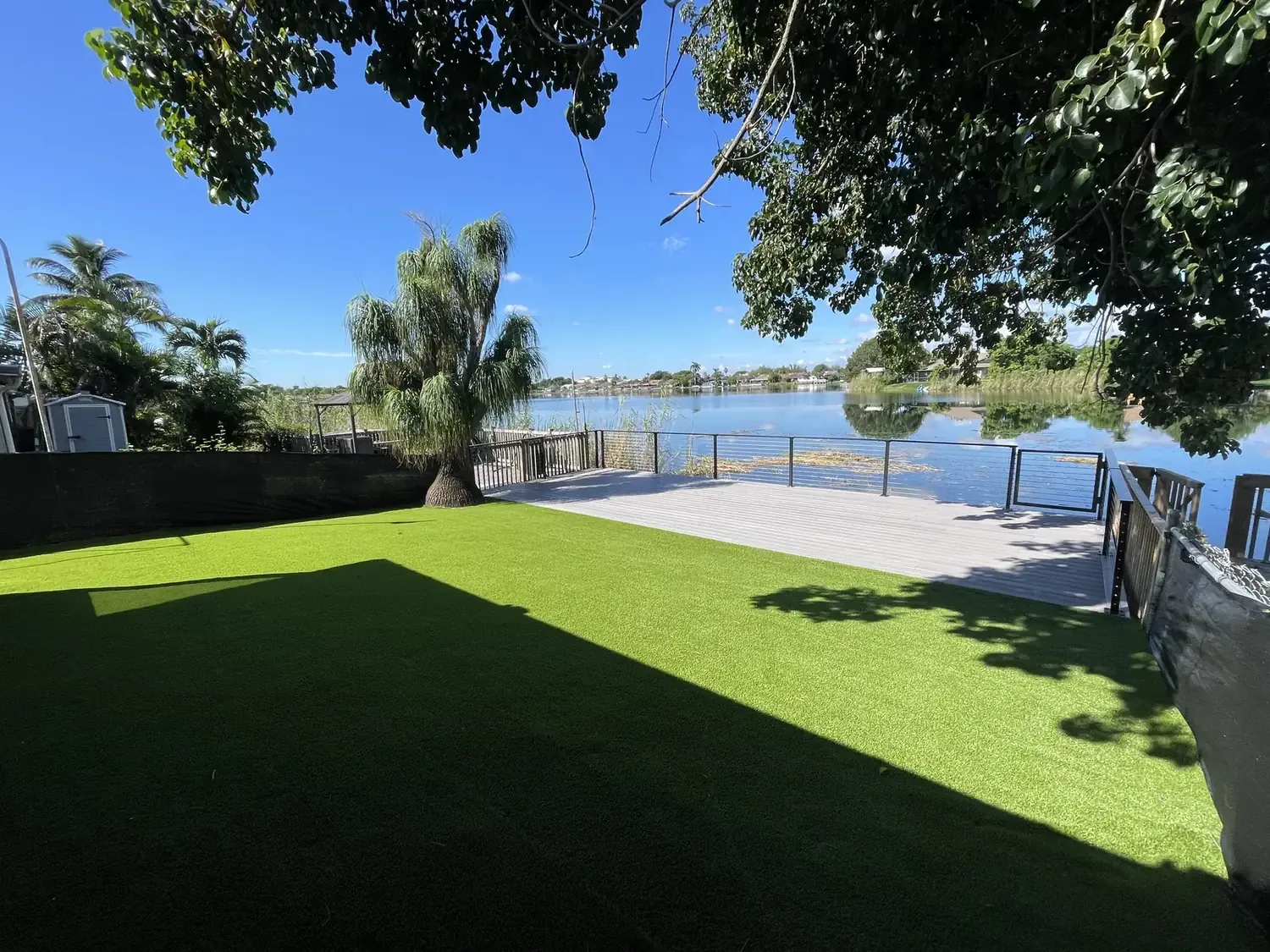
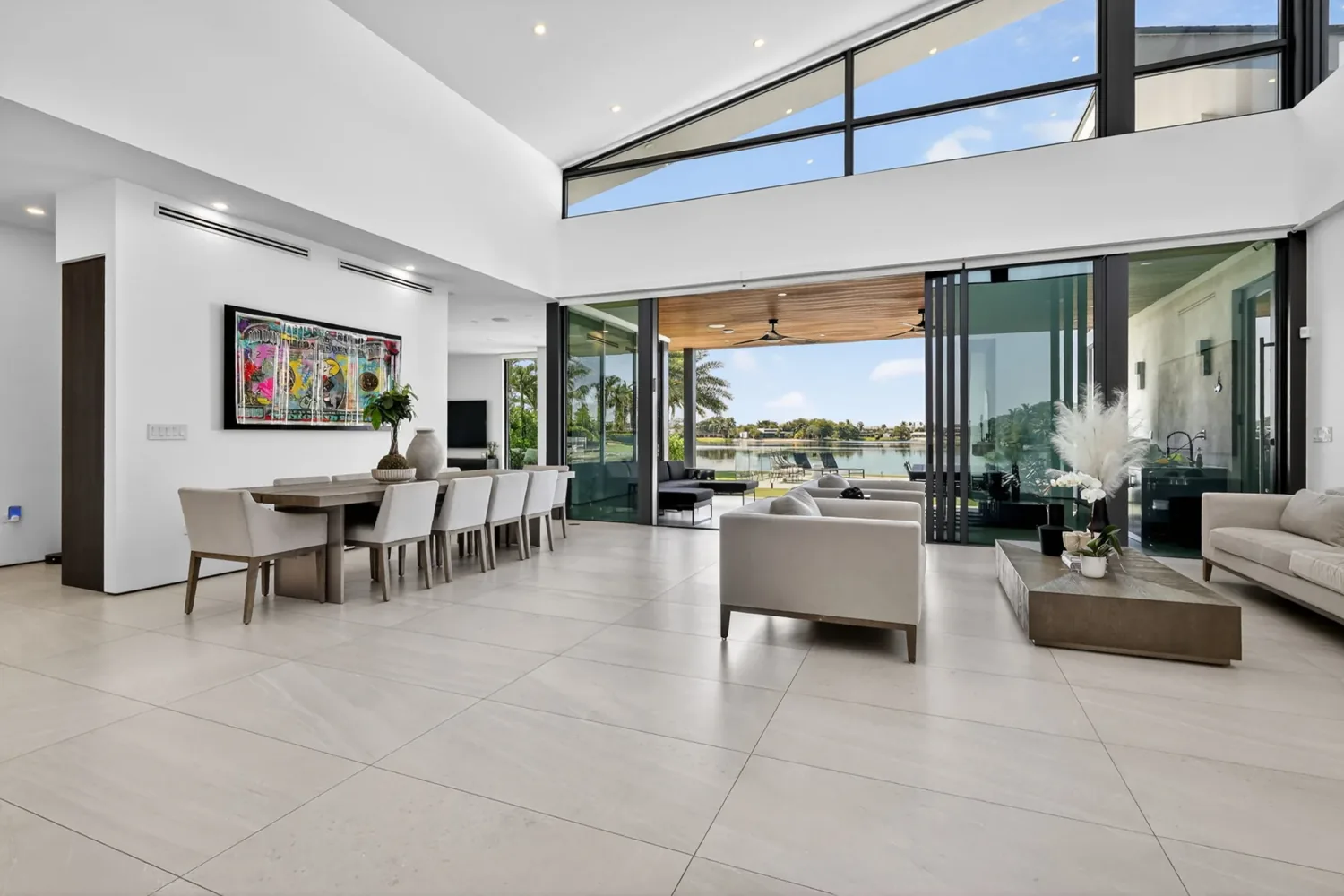
This is where we spend real time at the start of a home renovation. Our Hollywood Lake House was a 1960s lakefront house taken back to structure, and our Sky Lake House was a ground-up waterfront build, so we have worked both sides of the renovate-or-rebuild decision. Our articles on whole-home renovation costs and renovating an older Florida home cover the rest of the budget picture, and hurricane code triggers explains the wind side.
Frequently asked questions
How is the FEMA 50% rule calculated?
Divide the cost of the proposed improvement by the market value of the structure before work starts. If the result is 50% or more, it is a substantial improvement. The cost includes contract costs and the market value of any owner-supplied or donated labor and materials. The value is the structure alone, usually from assessment records or an independent appraisal accepted by your floodplain administrator.
Does the 50% rule use the value of my land?
No. The federal definition measures the cost of work against the market value of the structure, not the land. On South Florida waterfront lots, the land can be worth more than the house, so the property’s sale price can be a misleading guide. Ask your floodplain administrator which valuation methods it accepts.
Can I split my renovation into phases to avoid the 50% rule?
Only if your community does not track improvements cumulatively, and some Florida communities do. Where cumulative tracking applies, permits over a locally set period are added together, so phasing does not reset the count. Ask the floodplain administrator whether your city tracks cumulatively and over what period before you plan around it.
What happens if my house is substantially improved or damaged?
The building must be brought into compliance with current flood requirements. Under the Florida Building Code, a dwelling’s lowest floor must be at least one foot above the base flood elevation, and local rules can require more. For a house below that line, the usual options are elevating it, rebuilding it at the required height, or relocating it.
How much does Increased Cost of Compliance coverage pay?
Up to $30,000 toward elevating, relocating or demolishing a substantially damaged building, or floodproofing a nonresidential one. You need an NFIP flood policy with ICC coverage, a property in a mapped flood zone, a lowest floor below the required elevation and an official substantial damage determination from your community.
Who decides whether my project is a substantial improvement?
Your local building official and floodplain administrator make the determination, based on the cost of the work and the structure’s market value. They review it at permit application, and after a storm they also make substantial damage determinations. Their decision controls, so get their answer before you finalize design.